

rostyslavrocks Open to new roles

I build calm,
honest software.

I'm Rost, a product engineer in London. I make explainable tools where the logic is yours to see, not a black box to trust.

Ukrainian by birth, Londoner by postcode.

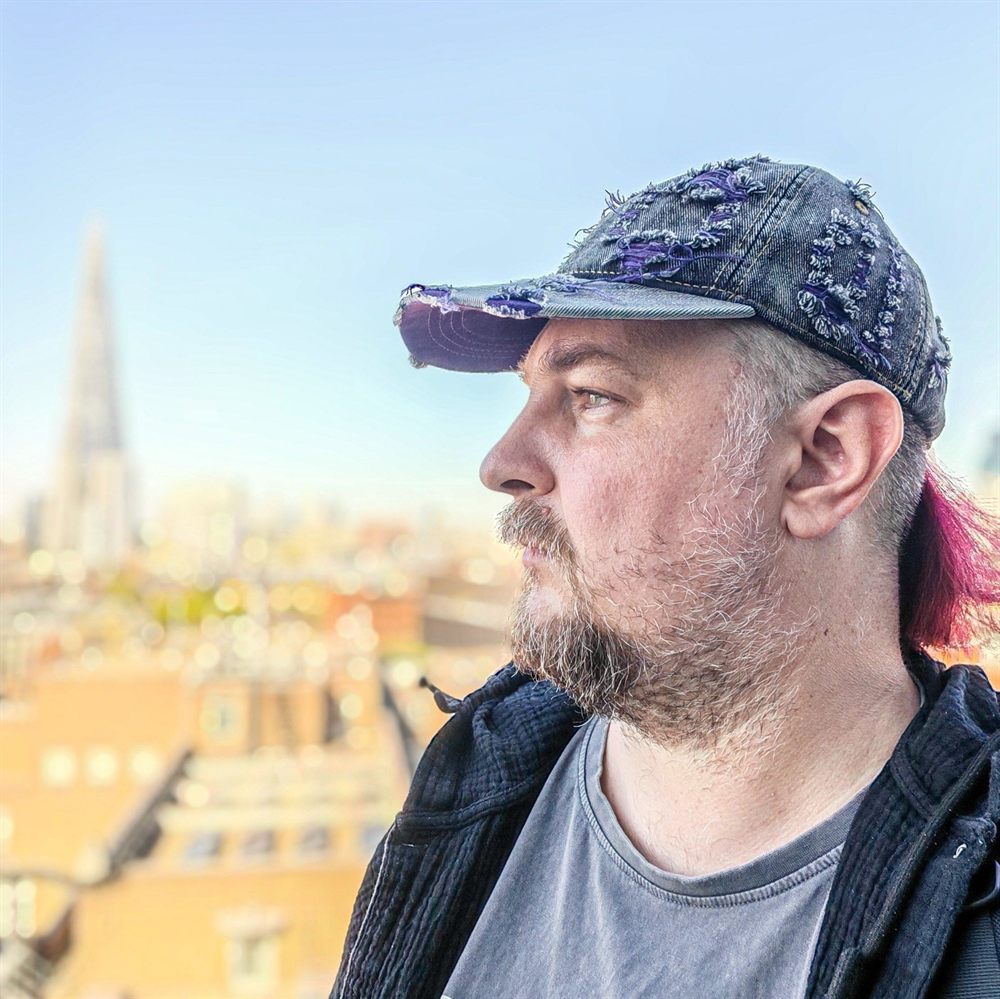
Rost in profile, looking out over the London skyline with the Shard in the distance

Who's typing

A bit about me

By trade I'm a product engineer, with the front-end as my deepest craft: React, TypeScript, big monorepos and design systems. Most recently I ran front-end for The Stepstone Group's job-application flow (Totaljobs, here in the UK), the one millions of people across Europe use to land something better. Over the years I've shipped across plenty of domains, including recruitment, healthcare, adtech and geodata, and picked up opinions about all of them. But I've never treated the front-end as where my job ends. I like to understand the whole system: the data underneath, the design on top, the product around it, and the reason it exists.

I'm from Chernivtsi, by way of Kyiv. I fell for London on a few short visits, somewhere between the work and the wandering. Since 2021 it's been home for me and mine.

Away from the keyboard: my family, hiking — wild country or unfamiliar corners of the city, wherever I can get half-lost — and a soft spot for board games and the occasional sprawling video game. I photograph the streets while I walk, and the keepers end up on Instagram.

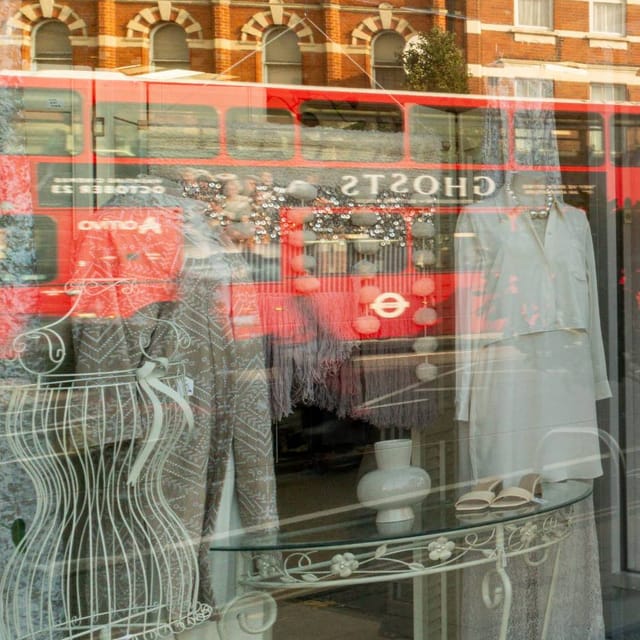
A yellow Diverted traffic sign on a pavement at night, a red London bus blurring past behind it A shop window reflecting a red-brick terrace and a passing red bus over the mannequins inside A bar front at night, its window lit by a pink neon cocktail sign, a vase of blossom and a chandelier

Previously: Stepstone, Entia, Ninety Percent of Everything, MyHeritage.

Off the clock

Built by me, used by me

These are independent builds. Concept, design, front and back end, sometimes with a small team alongside. No funding, no roadmap but my own.

Chrome extension Updated

Conscious Tabs

A quieter way to handle tab overload. Every open tab sits in one side panel, grouped by window and tab group, so you can find, switch, tidy and close them without hunting through a crowded tab strip. It can float above your other apps in a small always-on-top window, and everything works from the keyboard, drag-and-drop reordering included. It runs entirely in your browser: no account, no analytics, nothing leaves your machine.
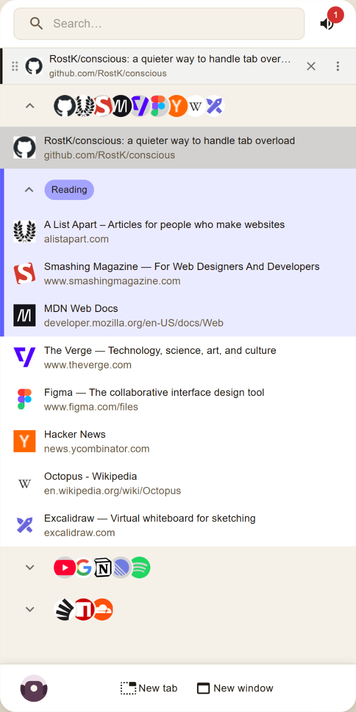
The Conscious Tabs side panel: a search box above a list of open tabs, grouped by window and tab group

Decision-making app

Conscious “Decide consciously.”

A quiet place to lay out your options and rate them against your criteria, not stars, badges, or whatever the algorithm wants you to value. No streaks, no urgency banners, no nudges. It gives you a frame; the judgement stays yours. Still in closed beta, so expect a few rough edges while I smooth it out.

Liveability map of England

Home Turf “Find your home turf.”

An early, still-growing experiment: a map of England you recolour by what you care about, whether that's schools, quiet, green space, nightlife or the daily commute. Built entirely on open data, with one rule: indicators are facts, scores are opinions. Every colour traces back to a number you can check.

Pub party game

What Are You, Really? “Science not included.”

Answer five cheeky questions, let it scan your “aura” through the camera, and an AI agent crowns you something gloriously useless: spirit pizza topping, inner houseplant, Hogwarts house. Vibe-coded in one pub session; best played loudly, round a table.

You knew this was coming

And AI?

I go back far enough that getting online meant phoning the internet down a landline, and "deploying" a server meant zipping my actual desktop tower into a backpack and cycling it across half the city to the provider. The web has reinvented itself every few years since, and most of my career has been navigating that churn: learning which new things are worth chasing and which are just this year's fashion.

AI is the newest of those, and for what it's worth, I don't think it's a fad; it's here to stay, and wielding it well is its own craft, one I'm keen to master. If anything, it asks engineers to be more professional, not less. When a model can write a thousand lines in a breath, the scarce thing stops being code and becomes judgement: what's worth building, how it behaves, where it could hurt someone, and whether you'd put your name to it. That judgement is the job now, and getting it right is the part I'm most excited about.

What I value

How I work

The person on the other side of the screen isn't a metric to move. They're someone to understand and look after. And it's never just the user. The work that lasts comes from caring about the whole picture, the people who'll use what I build, the business betting on it, and the team building it alongside me. I follow my curiosity and plan for the uncertainty that tags along. I'd rather flag a problem early than patch it late. Three things matter to me more than any line on a CV: honesty, dedication, and actually giving a damn.